
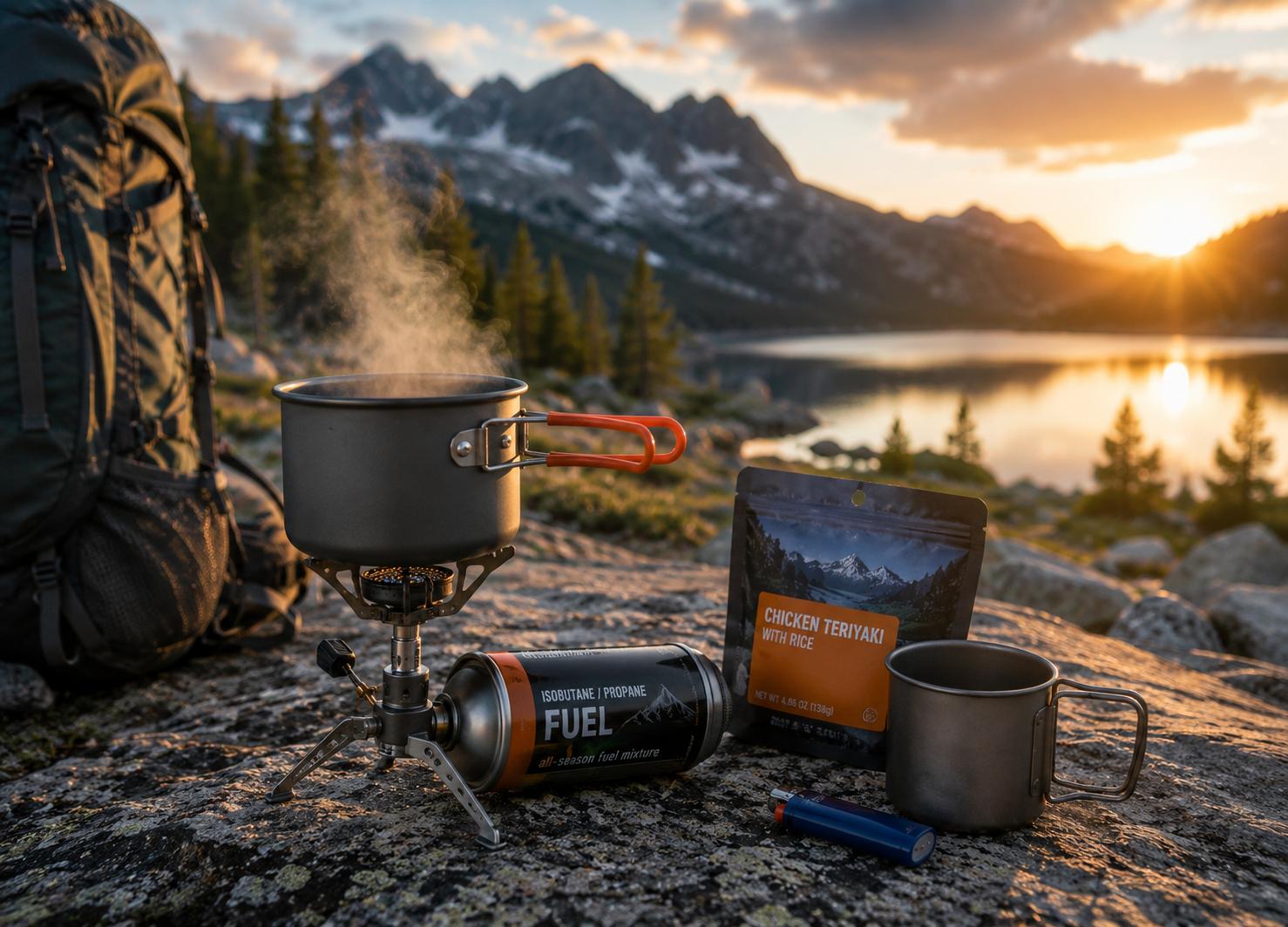
Camping in Southeast Alaska offers unforgettable experiences, but preparing meals outdoors requires the right equipment. Whether you’re spending a weekend at Mendenhall Lake Campground, exploring Admiralty Island, or heading out on a fishing trip near Juneau, choosing the right portable stove and fuel can make cooking safer, easier, and more enjoyable.
Quick Answer
Portable camping stoves come in several styles, including propane, butane, liquid fuel, and wood-burning models. The best choice depends on where you plan to camp, the weather conditions, how many people you’re feeding, and how long you’ll be outdoors. In Juneau, reliable performance in cool, damp weather is especially important when selecting camping equipment.
What Local Readers Should Know
- Propane stoves are popular for family camping because they are easy to operate and perform well in Southeast Alaska’s cool climate.
- Fuel availability should be part of your trip planning, especially if you’re traveling beyond Juneau or heading into remote recreation areas.
- Rainy weather around Tongass National Forest can affect cooking conditions, making a stable stove and proper wind protection valuable.
- Always follow local fire restrictions and Leave No Trace principles when camping near public recreation areas.
- Packing extra fuel is a smart precaution for longer trips where changing weather could extend your stay.
Why This Matters Locally
Outdoor recreation is a way of life in Juneau. Residents regularly head to places like Mendenhall Glacier Recreation Area, Auke Bay, Eagle Beach, and nearby islands for camping, fishing, kayaking, and hiking adventures. Southeast Alaska’s frequent rain, cool temperatures, and coastal winds create conditions that are very different from camping in warmer parts of the country. Choosing dependable cooking equipment helps campers prepare meals safely and comfortably regardless of changing weather.
At Western Auto Marine, we understand that local outdoor adventures require equipment that performs well in Alaska’s unique environment. We enjoy helping customers find camping gear that matches their destination, cooking style, and experience level.
Local Field Observations
Outdoor enthusiasts throughout the Juneau area often prioritize dependable ignition, stable cookware support, and fuel systems that continue operating during cool, damp mornings. While every camping trip is different, many local campers prefer equipment that is simple to use, packs efficiently, and performs consistently during changing coastal weather conditions.
How Local Conditions Affect Portable Stove Performance
Portable stoves generally perform well when matched to the conditions they’ll encounter. Southeast Alaska presents several challenges that campers should consider.
Frequent rainfall can make keeping cooking equipment dry more difficult.
Coastal winds may reduce cooking efficiency if the stove lacks proper wind protection.
Cool temperatures can affect certain fuel types differently than others.
Remote campsites throughout Tongass National Forest may require carrying all necessary fuel with you since supplies may not be available nearby.
Understanding these local factors helps campers prepare more effectively before leaving Juneau.
Warning Signs That Your Camping Stove Needs Attention
Before every camping trip, inspect your stove carefully. Watch for these common issues:
- Rust or corrosion on burners or fuel connections.
- Cracked or damaged fuel hoses.
- Difficulty igniting the burner.
- Uneven or weak flames.
- Fuel leaks or unusual odors.
- Loose pot supports.
- Dirty burner ports that produce yellow flames.
Addressing these problems before leaving home helps prevent unexpected issues in the field.
When to Replace or Service Your Stove
Portable stoves can often be cleaned and maintained at home, but damaged fuel systems or leaking connections should never be ignored. If your stove no longer burns evenly, leaks fuel, or has damaged components, replacing worn parts or selecting a new stove is the safest option before your next outdoor adventure.
Common Types of Camping Fuel
Choosing the right fuel is just as important as choosing the stove itself.
Propane
Propane is one of the most common choices for car camping. It offers reliable performance, easy operation, and readily available fuel canisters.
Best for:
- Family camping
- Fishing trips
- Campgrounds with vehicle access
Butane
Butane stoves are lightweight and compact, making them attractive for short trips. They generally perform best in milder temperatures.
Best for:
- Day trips
- Mild weather camping
- Lightweight packing
Liquid Fuel
Liquid fuel stoves are popular among experienced backpackers and adventurers traveling longer distances. They can operate well in colder temperatures and allow larger fuel supplies to be carried.
Best for:
- Extended backcountry trips
- Cold weather adventures
- Remote destinations
Wood Burning Stoves
Wood-burning camping stoves eliminate the need to carry fuel, but they depend on dry wood and may not be appropriate during fire restrictions or wet weather.
Best for:
- Backcountry camping where permitted
- Emergency backup cooking
Prevention and Maintenance Tips
A little maintenance helps your stove last longer and perform more reliably.
- Test your stove before every trip.
- Store fuel canisters in a cool, dry location.
- Clean burner openings regularly.
- Keep spare matches or a backup lighter.
- Pack extra fuel for longer outings.
- Protect your stove from rain during storage and use.
- Inspect hoses and seals before each camping season.
What to Expect from a Quality Portable Stove
A well-designed camping stove should provide dependable ignition, consistent heat output, stable cookware support, and straightforward operation. Choosing equipment that matches your cooking style makes preparing meals outdoors more enjoyable and reduces unnecessary frustration during your trip.
Common Camping Stove Mistakes
Mistake: Bringing too little fuel.
Consequence: Meals may be interrupted before cooking is complete.
Better approach: Estimate fuel needs based on trip length and pack extra for unexpected delays.
Mistake: Buying the lightest stove without considering local weather.
Consequence: Wind and cool temperatures may reduce cooking efficiency.
Better approach: Select equipment designed for the conditions you’ll encounter around Juneau.
Mistake: Skipping a pre-trip equipment check.
Consequence: Mechanical problems may not appear until you’re at camp.
Better approach: Assemble and test your stove before leaving home.
A Common Local Camping Scenario
Imagine spending a weekend near Echo Cove or launching a fishing trip from Auke Bay. After setting up camp, steady coastal winds begin to pick up while evening temperatures cool. A stable propane stove with effective wind protection allows dinner preparation to continue smoothly, while less suitable equipment may struggle to maintain consistent heat. Preparing for local conditions makes outdoor cooking far more enjoyable.
Related Outdoor Solutions
Portable stoves are only one part of a successful camping setup. Depending on your adventure, you may also benefit from:
- Portable grills
- Cookware designed for camping
- Fuel canisters
- Coolers
- Lanterns
- Water containers
- Camp kitchen accessories
Comparing Your Options
| Option | Best For | Advantages | Considerations |
|---|---|---|---|
| Propane | Family camping | Easy to use and reliable | Larger fuel cylinders take more space |
| Butane | Short trips | Compact and lightweight | Less effective in colder temperatures |
| Liquid Fuel | Backcountry travel | Performs well in cold conditions | Requires more experience |
| Wood Burning | Fuel-free cooking | No fuel canisters needed | Depends on dry wood and local regulations |
Service Areas
We proudly serve outdoor enthusiasts throughout Juneau and surrounding Southeast Alaska communities. Whether you’re preparing for a local camping trip or a longer wilderness adventure, we’re here to help you choose equipment that fits your plans.
The Cost of Choosing the Wrong Equipment
Selecting a stove that doesn’t match your destination or weather conditions can lead to slow cooking, unnecessary fuel consumption, or difficulty preparing meals when conditions become challenging. Planning ahead helps create a safer and more enjoyable camping experience.
Frequently Asked Questions
What is the best camping stove for Juneau weather?
Propane stoves are often an excellent choice for many campers in Juneau because they are simple to operate and perform reliably in the area’s cool climate.
Should I carry extra camping fuel in Southeast Alaska?
Yes. Carrying extra fuel is recommended for longer trips because weather delays or extended stays can increase your cooking needs.
Can I use a wood-burning stove in Tongass National Forest?
Wood-burning stoves may be appropriate in some locations, but campers should always check current fire restrictions and follow local land management regulations before use.
What fuel lasts the longest for camping trips?
The answer depends on your stove, cooking habits, and trip length. Efficient cooking practices and matching the fuel type to your equipment help maximize fuel usage.
How should I store camping fuel?
Store fuel in a cool, dry location away from direct heat and follow the manufacturer’s recommendations for transportation and storage.
Where can I find camping supplies near Juneau?
Local outdoor retailers can help you compare stove types, fuel options, cookware, and other camping essentials before your next adventure.
Ready for Your Next Outdoor Adventure?
Whether you’re planning a weekend camping trip or preparing for a remote Alaska expedition, having dependable cooking equipment helps you enjoy every meal outdoors. Our team is happy to answer questions and help you compare portable stoves, fuel options, and camping accessories.
Prepare for Better Camping in Juneau
Choose equipment designed for your adventure and local conditions.