

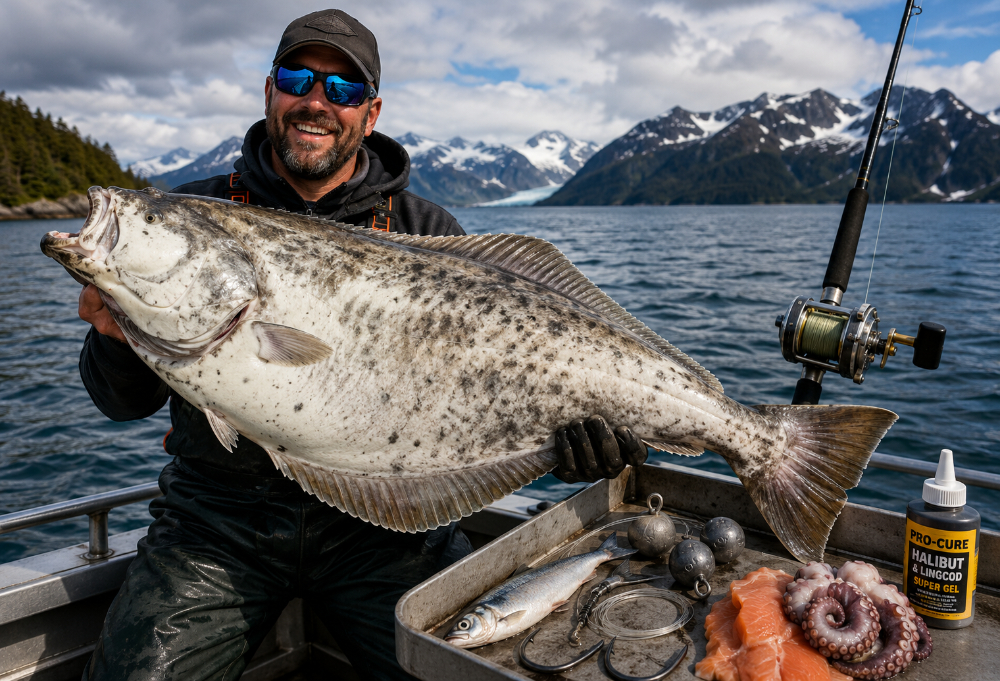
Summer fishing in Juneau, Alaska is about making the most of an incredible season. Whether you’re returning from Auke Bay, fishing near Douglas Island, or heading back from a charter in Stephens Passage, preserving your catch correctly ensures you’ll enjoy that fresh Alaska flavor long after the season ends.
Quick Answer
The best way to preserve your summer catch is to keep fish cold immediately after landing it, clean it as soon as practical, vacuum seal it, and freeze it quickly at a consistent temperature. Proper handling from the moment the fish leaves the water helps maintain flavor, texture, and quality throughout the year.
What Local Anglers Should Know
-
Keeping your catch on ice immediately after landing is one of the most important steps for preserving quality.
-
Vacuum sealing helps reduce freezer burn and extends the storage life of salmon, halibut, and other local species.
-
Juneau’s busy summer fishing season means planning your processing and freezer space before your trip can save time and reduce waste.
-
Fish caught in Lynn Canal, Gastineau Channel, and nearby waters deserve the same careful handling whether you’re keeping one fish or filling your freezer.
-
A dependable freezer is just as important as proper packaging when storing seafood for months.
Why Proper Fish Preservation Matters in Juneau
Proper fish preservation matters because Southeast Alaska offers some of the finest seafood in the world, but that quality can disappear quickly without the right handling. During the summer months, anglers throughout Juneau enjoy excellent opportunities to catch salmon, halibut, rockfish, and lingcod. Warm daylight hours and busy fishing schedules can make it easy to delay processing, but every hour counts when preserving freshness.
At Western Auto Marine, we know that successful fishing doesn’t end at the dock. We help local anglers prepare for the entire experience, including storing their catch safely so they can enjoy it well beyond the fishing season.
Local Field Observations
Professional experience throughout the Juneau boating community shows that the best-tasting frozen fish usually comes from anglers who focus on handling their catch immediately after landing it. Fish that stay cold, are cleaned promptly, and reach a quality freezer quickly typically retain better texture and flavor than fish left sitting in coolers for extended periods.
Many local anglers also prepare before the trip by ensuring their coolers have enough ice and their home freezers have adequate space for processing day.
Start with Proper Handling on the Water
Proper handling begins the moment your fish is landed.
A few simple habits make a significant difference:
-
Bleed appropriate species soon after landing when recommended.
-
Keep fish shaded and packed in plenty of ice.
-
Avoid allowing fish to sit in standing water inside the cooler.
-
Handle fillets gently to reduce bruising.
-
Clean fish as soon as practical after returning to shore.
Whether you’re fishing near Shelter Island, Favorite Channel, or Admiralty Island, keeping your catch consistently cold is one of the most effective ways to preserve quality.
Vacuum Sealing Helps Protect Your Catch
Vacuum sealing is one of the most effective methods for long-term freezer storage because it reduces air exposure.
Benefits include:
-
Less freezer burn
-
Better moisture retention
-
Improved flavor preservation
-
Easier portion control
-
More organized freezer storage
Label every package with the species and freezing date so older packages are used first.
Freeze Fish Quickly for Best Results
Fast freezing helps preserve texture by creating smaller ice crystals within the fish.
For best results:
-
Spread packages in a single layer until frozen.
-
Avoid overloading the freezer with large batches all at once.
-
Maintain a consistent freezer temperature.
-
Once frozen solid, organize packages for efficient storage.
Keeping the freezer door closed as much as possible also helps maintain stable temperatures.
Warning Signs Your Frozen Fish May Have Lost Quality
Several signs indicate seafood may no longer be at its best:
-
Large white or gray freezer burn patches
-
Dry or leathery surfaces
-
Torn or leaking packaging
-
Excessive ice crystals inside vacuum bags
-
Strong off odors after thawing
-
Significant discoloration
-
Evidence the fish thawed and refroze
While some freezer burn mainly affects quality rather than safety, severe damage can noticeably reduce flavor and texture.
Common Mistakes Local Anglers Make
Avoiding a few common mistakes helps protect your hard-earned catch.
Waiting Too Long Before Icing Fish
Consequence: Quality begins declining quickly.
Better approach: Ice fish immediately after landing.
Using Thin Storage Bags
Consequence: Air enters the package, leading to freezer burn.
Better approach: Use quality vacuum bags designed for long-term food storage.
Overfilling the Freezer
Consequence: Slower freezing and inconsistent temperatures.
Better approach: Freeze fish in smaller batches whenever possible.
Forgetting to Label Packages
Consequence: Older fish gets overlooked.
Better approach: Mark every package with the species and freezing date.
Common Local Causes of Quality Loss
Several local conditions can affect fish preservation around Juneau.
Busy Summer Fishing Days
Long days on the water can delay cleaning and packaging if anglers are not prepared.
Limited Freezer Space
A successful salmon season often fills freezers faster than expected.
Frequent Freezer Door Openings
Busy households can cause temperature fluctuations that affect long-term storage quality.
Inadequate Ice Supply
Not bringing enough ice for the day’s catch allows fish temperatures to rise too quickly.
Prevention and Maintenance Tips
Keeping your catch in excellent condition starts before leaving the dock.
A few practical steps include:
-
Freeze water bottles or ice blocks before your trip.
-
Bring extra ice during warm summer outings.
-
Inspect vacuum bags for proper seals.
-
Organize freezer space before peak fishing season.
-
Rotate stored fish so older packages are used first.
-
Check freezer temperatures regularly.
-
Keep a backup plan if your freezer loses power.
Expected Results
With proper handling, prompt processing, quality vacuum sealing, and consistent freezer temperatures, frozen fish can maintain excellent flavor and texture for months. While quality naturally changes over time, careful preservation helps you enjoy seafood that tastes much closer to the day it was caught.
Common Local Scenario
A family spends the day fishing near Auke Bay and returns with several salmon. Because they prepared their cooler with plenty of ice, cleaned the fish promptly, vacuum sealed individual meal portions, and froze everything the same evening, they’re able to enjoy high-quality seafood throughout the winter without unnecessary waste.
Related Equipment That Helps
Proper fish preservation often depends on having dependable equipment available.
Helpful products include:
-
Marine coolers
-
Vacuum sealers
-
Freezer storage supplies
-
Marine ice chests
-
Food-safe storage containers
-
Reliable home freezers
-
Boating accessories that support successful fishing trips
DIY vs. Professional Fish Processing
| DIY Processing | Professional Processing |
|---|---|
| Greater control over portion sizes | Convenient for large catches |
| Lower processing costs | Often saves significant time |
| Requires equipment and workspace | May include vacuum sealing services |
| Good for experienced anglers | Helpful during peak fishing season |
Many anglers choose a combination of both depending on the size of their catch.
Service Areas
We proudly serve anglers in Juneau and nearby communities throughout Southeast Alaska. Whether you’re launching from Auke Bay, returning from Douglas Island, or preparing for another trip into Lynn Canal, we’re here to help you get ready for the season.
The Cost of Waiting
Delaying proper fish handling can lead to lost quality, wasted seafood, and disappointing meals months later. A little preparation before your fishing trip helps protect the time, effort, and expense that go into every successful day on the water.
Frequently Asked Questions
How quickly should I ice fish after catching them in Juneau?
Immediately is best. Keeping fish cold right after landing helps preserve flavor and texture throughout the rest of the processing and freezing steps.
Is vacuum sealing worth it for salmon?
Yes. Vacuum sealing greatly reduces air exposure, helping minimize freezer burn and preserve quality during long-term storage.
How should I thaw frozen fish?
The safest method is thawing gradually in the refrigerator. Slow thawing generally helps maintain better texture than rapid thawing at room temperature.
Does freezer organization matter?
Yes. Organized storage makes it easier to rotate older packages first and reduces the amount of time the freezer door stays open.
What fish are commonly frozen in the Juneau area?
Many local anglers freeze salmon, halibut, lingcod, and various rockfish species after the summer fishing season.
Can freezer burn be prevented completely?
While it cannot always be eliminated, proper vacuum sealing, consistent freezer temperatures, and limiting air exposure significantly reduce the risk.
Should I freeze whole fish or fillets?
Many anglers prefer freezing cleaned fillets because they are easier to package, organize, thaw, and prepare for meals.
Why is freezer temperature important?
Consistent temperatures help maintain seafood quality by reducing thawing and refreezing cycles that can damage texture.
Enjoy Your Catch All Year Long
Summer fishing memories shouldn’t end when the season does. Taking care of your catch from the moment it’s landed helps preserve the quality that makes Southeast Alaska seafood so special. With the right preparation, equipment, and storage practices, you can enjoy your favorite catches long after summer has passed.
Preserve Your Catch with Confidence
Whether you’re preparing for your next fishing adventure or upgrading your storage equipment, we’re here to help you protect every catch.