
Living in Alaska means outdoor gear is more than something you pack for an occasional weekend adventure. Around Juneau, rain, cold coastal water, changing trail conditions, snow, wind, and quick shifts in weather can turn an ordinary outing into one where good equipment matters.
Quick answer: The most useful outdoor gear for Alaska residents includes dependable waterproof clothing, sturdy waterproof footwear, warm insulating layers, emergency communication equipment, a well-stocked first-aid kit, reliable lighting, navigation tools, and activity-specific safety equipment. In Southeast Alaska, gear that keeps you warm and dry while helping you prepare for changing conditions should usually take priority over convenience-focused extras.
What local residents should know
-
Waterproof gear should be treated as everyday equipment in Southeast Alaska, not something reserved for unusually bad weather.
-
Around Auke Bay, Lynn Canal, and other coastal recreation areas, cold-water preparation is particularly important for boaters and paddlers.
-
Juneau hikers should prepare for wet trails, changing visibility, and conditions that can differ significantly between lower elevations and alpine terrain.
-
Emergency communication and navigation equipment become more important when recreation takes you beyond dependable cell coverage.
-
Outdoor gear should be selected for the activity and conditions rather than relying on one setup for hiking, boating, fishing, camping, and winter travel.
Why Does the Right Outdoor Gear Matter in Juneau?
The right outdoor gear matters in Juneau because Southeast Alaska combines a wet coastal environment with rugged terrain, cold water, wildlife, and weather that can change during a single outing. Equipment that manages moisture, warmth, visibility, navigation, and emergencies helps residents prepare for the conditions they actually encounter.
Alaska State Parks describes Southeast marine recreation areas near the city as having high humidity and high average rainfall, with inclement weather capable of setting in quickly and lasting for days. The Alaska Department of Fish and Game also specifically recommends good rain gear and boots for the Juneau Management Area.
That matters whether you are hiking near Mount Roberts, fishing, heading toward Auke Bay, camping farther up Glacier Highway, or spending a day on the water.
Western Auto Marine serves people living and recreating in this environment. When we think about outdoor equipment for local residents, practical preparation for Southeast Alaska conditions comes first.
What Outdoor Gear Should Alaska Residents Prioritize?
Alaska residents should prioritize gear that addresses four basic needs: staying dry, maintaining body warmth, navigating safely, and handling unexpected delays or emergencies. Around Juneau, those priorities apply across hiking, fishing, boating, camping, hunting, and everyday outdoor travel.
1. Quality Waterproof Rain Gear
A waterproof shell and rain pants belong near the top of a Southeast Alaska gear list. Look for equipment that gives you enough mobility for your intended activity and enough room underneath for insulating layers.
Rain protection is useful even when the forecast looks manageable. Staying dry becomes increasingly important as temperatures drop or an outing lasts longer than planned.
2. Waterproof Boots With Dependable Traction
Wet ground, mud, slick surfaces, and rocky shoreline terrain make footwear especially important locally. Boots should match the activity, whether that means hiking footwear, rubber boots for wet conditions, or specialized footwear for fishing.
The Alaska Department of Fish and Game notes that boots are a must in the Juneau Management Area and recommends hip boots or chest waders for many shore-based fishing situations.
3. Warm, Layerable Clothing
A flexible layering system is more useful than depending on one extremely heavy garment. A moisture-managing base layer, insulating middle layer, and weather-resistant outer layer let you adjust as your activity level and conditions change.
Keep spare dry clothing protected in a waterproof bag when heading farther from home, particularly for boating, camping, or longer backcountry outings.
4. Headlamp and Backup Lighting
Short winter days make reliable lighting essential equipment for Alaska residents. A headlamp keeps both hands available while walking, working, setting up camp, handling equipment, or responding to a problem after dark.
Carry spare batteries or another backup light rather than relying solely on a phone flashlight.
5. Navigation and Emergency Communication Equipment
A phone is useful, but it should not be your entire navigation and communication plan when heading into more remote terrain. Depending on the outing, a map, compass, GPS device, satellite communication device, or marine radio may be appropriate.
This becomes increasingly important as trips extend beyond developed recreation areas.
6. First-Aid and Emergency Supplies
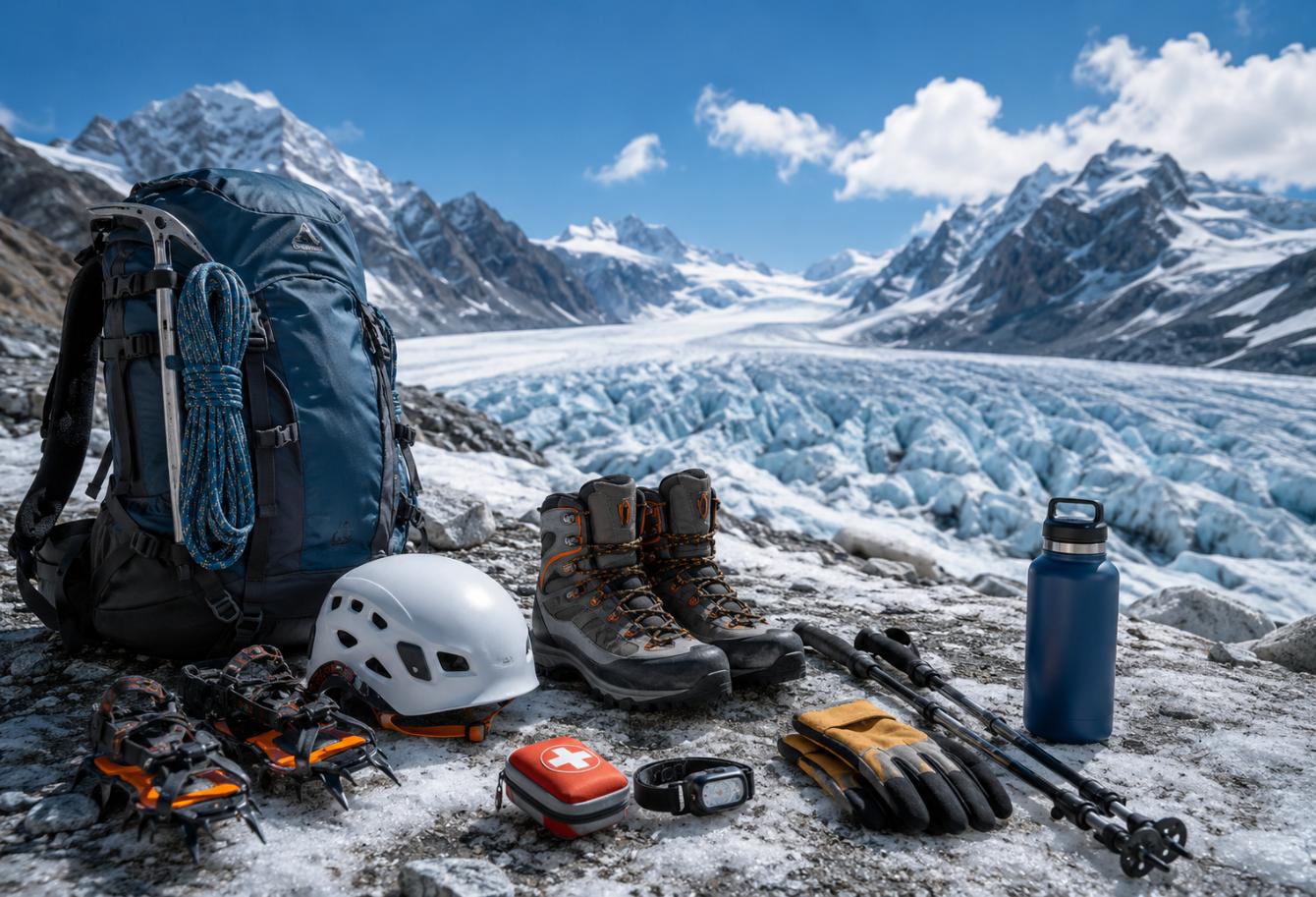
A compact first-aid kit should match the length and remoteness of your trip. Basic emergency supplies can also include fire-starting equipment, an emergency shelter, extra food, water, a knife or multipurpose tool, and signaling equipment.
The farther you travel from immediate assistance, the more important self-sufficiency becomes.
7. Personal Flotation and Boating Safety Gear
For boaters and paddlers, a properly selected life jacket is essential equipment. Alaska’s Office of Boating Safety emphasizes wearing a life jacket, carrying emergency communication devices, using a float plan, and being familiar with self-rescue techniques.
Those practices are particularly relevant around Auke Bay, the Channel Islands, and other popular marine recreation areas surrounding the community.
8. Dry Bags and Waterproof Storage
A dry bag can protect spare clothing, emergency supplies, electronics, food, and other equipment from rain, spray, and accidental immersion.
Even gear stored inside a backpack or boat compartment can benefit from an additional waterproof barrier. Southeast Alaska moisture has a way of finding equipment that was supposed to stay dry.
What Do Local Conditions Tell Us About Gear Selection?
Local conditions show that moisture management and changing-weather preparation should guide gear selection around Juneau. Public guidance from Alaska agencies repeatedly emphasizes rain protection, warm clothing, boating preparedness, and equipment appropriate for cold-water and wilderness recreation.
Alaska State Parks describes the Channel Islands State Marine Park in Lynn Canal as a wet environment and advises visitors to bring warm clothing and quality rain gear because poor weather can develop quickly. The area is roughly 25 miles northwest of downtown and is used for boating, kayaking, fishing, hunting, camping, and wildlife viewing.
The same practical approach applies on land. Alaska Fish and Game identifies popular trails above downtown, including Perseverance Trail, Mount Juneau, Granite Creek Basin, and Mount Roberts, while warning visitors to remain on trails because people become lost or injured off trail.
What Are Signs Your Outdoor Gear Needs an Upgrade?
Outdoor gear should be repaired or replaced when it can no longer reliably perform the safety or weather-protection job you depend on it to do. In Alaska, seemingly minor equipment problems can become much more noticeable after hours of exposure to rain, cold, wind, or rough terrain.
Watch for these warning signs:
-
Waterproof clothing begins soaking through instead of keeping inner layers dry.
-
Boot soles have lost significant tread or traction.
-
Footwear leaks around seams, soles, or closures.
-
Headlamps, radios, or other electronics operate inconsistently.
-
First-aid supplies are missing, damaged, wet, or expired.
-
Dry bags or waterproof storage have punctures or unreliable closures.
-
Life jackets or other safety equipment show damage or no longer fit properly.
-
Your current equipment is inappropriate for a new activity or season.
When Should You Get Help Choosing Outdoor Equipment?
You should get knowledgeable help when equipment affects personal safety, must meet activity-specific requirements, or you are unsure whether it is appropriate for Southeast Alaska conditions. This is particularly useful when selecting boating safety equipment, marine gear, technical clothing, fishing equipment, or gear for an unfamiliar outdoor activity.
Residents can inspect basic clothing and equipment themselves before every trip. When choosing specialized gear, however, understanding intended use, fit, conditions, and compatibility can prevent buying equipment that does not meet your actual needs.
What Common Local Conditions Should Your Gear Handle?
Outdoor equipment used around Juneau should be able to handle persistent moisture, cool temperatures, cold water, rugged terrain, and rapidly changing conditions. The exact combination depends on whether you are on a trail, shoreline, boat, campsite, or winter outing.
Rain and moisture: Waterproof shells, boots, dry storage, and quick-drying layers help manage Southeast Alaska’s wet environment.
Cold coastal water: Boaters and paddlers need equipment selected with immersion and emergency preparedness in mind. Alaska boating guidance stresses life jackets and emergency communication.
Uneven terrain: Hiking around Mount Roberts, Perseverance Trail, and other local areas makes footwear traction and dependable navigation important.
Changing elevation: Conditions near downtown can differ from those encountered higher in the alpine, making adjustable clothing layers valuable.
Wildlife: Alaska Fish and Game notes that bears and other mammals occur in the area, making wildlife awareness an important part of trip preparation.
How Should You Maintain Outdoor Gear in Southeast Alaska?
Outdoor gear in Southeast Alaska lasts longer and performs more reliably when it is cleaned, dried, inspected, and properly stored after exposure to rain, mud, snow, or saltwater. Regular maintenance also gives you a chance to find problems before your next outing.
Dry wet clothing and footwear thoroughly before storage. Clean equipment according to its manufacturer’s instructions, and pay particular attention to gear exposed to saltwater.
Before the main summer recreation season, inspect camping, hiking, fishing, and boating equipment. Before winter, check lighting, insulating clothing, traction equipment, emergency supplies, and cold-weather gear.
DIY inspection is appropriate for many items. Repairs or replacements involving specialized safety equipment should follow the manufacturer’s guidance.
What Results Can You Expect From Better Outdoor Gear?
Better outdoor gear should help you stay more comfortable, organized, and prepared for the conditions associated with your activity, but equipment cannot eliminate outdoor risk. The goal is to build a system that supports good decisions rather than assume a single premium product will solve every problem.
For a local resident, that could mean staying drier during a rainy hike, having spare clothing after getting soaked, navigating more confidently as daylight fades, or having appropriate emergency equipment available if a boating trip is delayed.
What Outdoor Gear Mistakes Should Alaska Residents Avoid?
The most common outdoor gear mistakes involve underestimating weather, relying on one piece of equipment for too many situations, and failing to inspect gear before leaving. These mistakes become particularly relevant when recreation takes you away from immediate shelter or assistance.
Mistake: Wearing cotton or other slow-drying clothing as your only cold-weather strategy.
Consequence: Wet clothing can make maintaining warmth more difficult.
Better approach: Build a layering system appropriate for expected conditions.
Mistake: Trusting the weather at the trailhead.
Consequence: Conditions may change as time and elevation increase.
Better approach: Carry rain protection and an additional insulating layer.
Mistake: Relying entirely on a phone.
Consequence: Battery life, damage, or lack of coverage can leave you without your primary navigation or communication tool.
Better approach: Carry appropriate backup navigation and emergency communication equipment.
Mistake: Leaving safety gear buried or inaccessible.
Consequence: Emergency equipment is less useful when you cannot reach it quickly.
Better approach: Organize critical gear so it is readily available.
What Is a Common Outdoor Scenario Around Juneau?
A common local scenario is starting a hike in manageable conditions near town and encountering wetter, colder, or less comfortable conditions as the outing continues. This is not a case study, but it illustrates why experienced residents often pack for more than the conditions visible when they leave home.
A hiker heading toward Perseverance Trail or higher terrain around Mount Roberts may be comfortable at first. Rain arrives, clothing gets wet, and the return takes longer than anticipated. Waterproof outerwear, insulation, lighting, navigation, food, and emergency supplies suddenly become much more valuable than they seemed at the trailhead.
What Outdoor Gear Solutions Should You Consider?
The best outdoor gear solution is a coordinated setup built around where you go and what you do rather than a collection of unrelated products. Start with weather protection and basic emergency preparedness, then add specialized equipment for hiking, fishing, boating, camping, hunting, or winter recreation.
At Western Auto Marine, we can help local customers explore outdoor and marine gear suited to their intended activities.
Should You Buy General-Purpose or Activity-Specific Gear?
General-purpose gear works well for foundational items, while activity-specific equipment is the better choice when your safety or performance requirements change significantly. Most residents benefit from owning versatile basics and then building specialized kits for the outdoor activities they regularly enjoy.
A waterproof jacket, first-aid kit, headlamp, and insulating layers can work across many outings. Boating, fishing, hunting, extended camping, and more technical backcountry travel may require equipment designed specifically for those activities.
What Areas Around Juneau Call for Good Outdoor Preparation?
Outdoor preparation matters throughout Juneau and the surrounding Southeast Alaska recreation areas, from downtown trail systems to Auke Bay and Lynn Canal. Residents also venture toward places such as Auke Village Recreation Area, Amalga Harbor, the Channel Islands, and more remote coastal destinations where conditions and access can require additional planning.
What Can Happen If You Ignore Worn or Missing Gear?
Ignoring worn or missing outdoor equipment can turn manageable rain, cold, darkness, or delays into larger problems, particularly when you are far from shelter. The practical cost can include a ruined trip, damaged electronics or supplies, premature equipment failure, or unnecessary exposure to difficult conditions.
Replacing a leaking rain layer or unreliable light before an outing is usually easier than discovering the problem several miles down a trail or after leaving the harbor.
FAQ
What outdoor gear is most important for Juneau residents?
Waterproof clothing, dependable footwear, warm layers, lighting, navigation, emergency supplies, and a first-aid kit are strong foundations for Juneau residents. Boaters and paddlers also need appropriate flotation and marine safety equipment. Your final gear list should reflect the season, activity, duration, and remoteness of each trip.
Why is rain gear so important in Juneau?
Rain gear is important in Juneau because moisture is a routine part of Southeast Alaska outdoor recreation. Alaska Fish and Game specifically advises visitors to the local management area to bring good rain gear and boots. Staying dry also helps your insulating layers perform their intended job during cooler conditions.
What should I carry while hiking near Mount Roberts or Perseverance Trail?
Carry weather protection, insulating layers, water, food, navigation, a first-aid kit, lighting, and emergency supplies appropriate for the length of your hike. Alaska Fish and Game identifies Mount Roberts and Perseverance Trail among popular local hiking areas and advises people to stay on established trails.
What safety gear should I have for boating near Auke Bay?
Start with a properly fitted life jacket and the safety equipment required for your vessel, then consider emergency communication and supplies appropriate for your trip. Alaska’s Office of Boating Safety also recommends filing a float plan and carrying emergency communication equipment when boating on Alaska waters.
Do I need waterproof storage for outdoor trips in Southeast Alaska?
Waterproof storage is highly useful in Southeast Alaska because rain and marine spray can damage clothing, electronics, food, and emergency supplies. Dry bags or other waterproof containers can provide another layer of protection inside boats and backpacks, especially for items you need to remain functional during an emergency.
Should I carry backup navigation around Juneau?
Backup navigation is a sensible precaution when your trip takes you into unfamiliar or more remote terrain around Juneau. A phone can be useful, but a dedicated GPS, map and compass, or another appropriate navigation method provides redundancy if your primary device loses power, becomes damaged, or cannot connect.
How often should Alaska residents inspect their outdoor equipment?
Inspect critical outdoor equipment before each significant outing and perform a more thorough seasonal check of gear you use regularly. Look for leaks, damaged closures, worn boot tread, depleted batteries, missing emergency supplies, and deterioration of safety equipment before summer recreation and again as conditions transition toward winter.
What gear should I keep ready for changing Southeast Alaska weather?
Keep waterproof outerwear, an insulating layer, dependable footwear, lighting, and basic emergency supplies readily available for changing Southeast Alaska weather. The right kit varies by activity, but preparing for conditions to become wetter, colder, or darker than expected gives you more options if plans change.
Get Better Prepared for Your Next Alaska Adventure
Having the right outdoor gear helps Juneau residents enjoy Southeast Alaska while preparing for the weather, terrain, and water that make this region distinctive. At Western Auto Marine, we can help you explore practical gear for the activities you enjoy locally.
Gear Up for Life Outdoors in Juneau
Prepare for rain, cold, trails, and days on the water with equipment selected around how you actually spend time outdoors.